
Do I Need to Go to a Mechanic After a Fender-Bender?
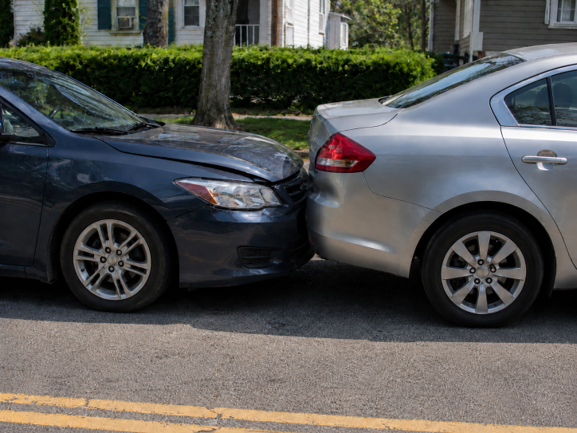
After a fender bender, your car may look almost untouched. Today’s vehicles are built to absorb impact in ways that don’t always show on the outside, which means a small bump at the right angle can shift the frame, knock a sensor out of calibration, or start a slow coolant leak that won’t show up for days.
That’s why drivers across Sonoma County thinking about collision repair in Santa Rosa are almost always better off having the vehicle checked, even after a minor collision.
This guide covers the warning signs worth paying attention to, what to do in the first 48 hours after a fender bender, and what a certified inspection actually catches.
Key Takeaways
- Even a low-speed fender bender can cause frame, sensor, or alignment damage that doesn’t show on the outside.
- A professional inspection within 48 to 72 hours protects your safety and helps document damage for insurance.
- Watch for steering pull, fluid leaks, dashboard warning lights, and panel gaps that don’t look right.
- Repairs handled early almost always cost less than damage left to worsen.
- Silveira Auto Body has served Sonoma County drivers for over 50 years and offers free estimates with a lifetime warranty on every repair.
How a Small Fender Bender Can Hide Real Damage
The bumper cover on most cars and trucks is plastic and designed to flex on impact. Behind that cover sits a reinforcement bar, energy absorbers, crash sensors, and on many newer vehicles, parking sensors, radar units, or backup cameras.
A collision at 5 to 10 mph can leave the plastic looking fine while quietly damaging the parts behind it.
A few types of damage commonly stay hidden after a low-speed hit:
- Frame and structural shifts. Even small misalignments in the frame or subframe affect how your car handles and how well it protects you in a future crash.
- Sensor and ADAS damage. Backup cameras, parking sensors, blind-spot monitors, and lane-assist systems can fall out of calibration without leaving a visible mark.
- Cooling system damage. A front-end bump can crack a radiator support, bend a condenser, or loosen a coolant hose.
- Suspension and alignment shifts. A tap to a wheel or fender can change camber, toe, or tie rod position.
- Airbag system faults. Crash sensors that were jolted can register a fault code even when no airbag deployed.
Many of these issues show up days or weeks later, which is why getting your vehicle checked soon after the collision matters. The longer you wait, the harder it can be to connect the damage back to the fender bender when filing an insurance claim.
Warning Signs You Shouldn’t Ignore
Any of the following symptoms after a fender bender is a good reason to schedule an inspection with a certified body shop.
Your Steering Pulls or Feels Loose
If the wheel pulls to one side on a flat road, or your car feels pushed around at highway speeds, the alignment or suspension has likely shifted. That becomes a safety concern on wet Sonoma County winter roads.
Recommended action: Have your alignment and suspension checked.
Dashboard Warning Light Comes On
Check engine, airbag, ABS, traction control, and ADAS warning lights can appear after a collision, sometimes a day or two later.
Recommended action: Don’t reset the codes yourself. A certified shop should read them with the original codes intact so the cause is clear.
You See Fluid Leaks or Drips
A puddle of green, orange, pink, or oily fluid under your car after a bump is worth a closer look. Coolant, transmission fluid, and power steering fluid can leak from cracked lines or shifted reservoirs.
Recommended action: Note the color and location of the leak, and have the vehicle inspected before driving more than necessary.

Doors, Hood, or Trunk Don’t Close Properly
Uneven panel gaps, a trunk that needs an extra push, or a door that sticks can all point to frame or sheet metal shift.
Recommended action: A body shop can measure your panel gap alignment to see whether the structure absorbed more impact than the outside damage suggests.
You Hear New Rattles, Clunks, or Vibrations
A new sound after a collision usually means something is loose, cracked, or out of position. Bumper brackets, exhaust hangers, and underbody panels are common sources.
Recommended action: Note when the sound happens (over bumps, when braking, at certain speeds) and share that with the technician.
Cracks in Paint or Bumper Plastic
Hairline cracks in paint can let moisture reach bare metal and start rust. Cracked bumper plastic often hides damage to the reinforcement bar behind it.
Recommended action: Request an estimate. Cosmetic repairs handled early cost far less than rust repair later on.
What to Do in the First 48 Hours
The steps you take right after a fender bender matter for both safety and any insurance claim.
- Document the scene. Take photos of both vehicles, license plates, the surrounding area, and any visible damage. Collect the other driver’s insurance and contact information.
- File a police report when appropriate. Any injury, dispute, or significant damage is reason to file.
- Notify your insurance company. Opening a claim doesn’t lock you into a specific repair shop.
- Hold off on washing your vehicle. Dirt, paint transfer, and debris patterns help document what happened.
- Schedule a professional inspection within 48 to 72 hours. Hidden damage is easier to identify and document while the collision is recent.
- Drive carefully until the inspection. Anything that feels different in the steering, the brakes, or new sounds the vehicle is making is a reason to stop driving until the car has been checked.
What a Certified Collision Inspection Catches
At Silveira Auto Body, we’ve been inspecting and repairing vehicles for Sonoma County drivers since 1964.
Our skilled and certified technicians are I-CAR Gold and Platinum certified and GM Certified, which means we follow the same repair procedures the vehicle manufacturers themselves use.
Every inspection looks past the visible damage to check:
- Frame and structural alignment
- Suspension and steering geometry
- Sensor and ADAS function
- Fluid systems and cooling components
- Panel fit and seal integrity
- Paint condition and corrosion risk
We work with all insurance companies, help walk you through the claim process, and offer free estimates, vehicle pick-up and delivery, and rental vehicle support. Every repair is backed by a lifetime warranty.
Request a Free Estimate
For over 50 years, drivers across Healdsburg, Santa Rosa, and the rest of Sonoma County have trusted Silveira Auto Body with their repairs. Our team’s I-CAR Gold and Platinum certified and GM certified training is part of what makes a difference when you’re choosing a shop for collision repair in Santa Rosa or anywhere across Sonoma County.
If you’ve been in a fender bender, even a small one, having your vehicle checked is the safer choice.
Call Silveira Auto Body at (707) 433-2424 to request a free estimate, or contact us online to get started. Our team is here to help, we’ll walk you through the process, work directly with your insurance company, and stand behind every repair with a lifetime warranty.
Frequently Asked Questions
Is a fender bender worth filing an insurance claim?
That depends on the damage, your deductible, and your policy. Repairs can run into the thousands once sensors, paint, and bodywork are involved. A free estimate from a certified shop will give you the numbers you need to decide.
Can you skip an inspection if your car drives fine?
It's not the safest choice. Many post-collision issues, from sensor faults to slow coolant leaks, don't show up right away. A short professional inspection gives you peace of mind and helps protect your vehicle's resale value.
What does collision repair in Santa Rosa typically include?
A full collision repair can involve frame straightening, panel replacement, paint matching, sensor recalibration, alignment, and mechanical work. Silveira Auto Body handles all of these in-house for all makes and models.
Will a small fender bender raise your insurance rates?
It depends on the carrier and on fault. Filing a claim is a personal decision, and getting an estimate first gives you the numbers you need to make it.
What if the other driver wants to pay out of pocket?
Get a professional estimate before agreeing. Repair costs are often higher than they look on the surface, especially on newer vehicles with sensors and ADAS systems hidden behind the bumper.

Owner / President, Silveira Auto Body
Scott Silveira is the Owner and President of Silveira Auto Body. Silveira Auto Body has been a body shop performing high quality repairs on vehicles in Healdsburg, Windsor, Santa Rosa and throughout Sonoma County for over 50 years. In 1964, the Silveira family added the body shop to their already thriving car dealership business, which was established in 1954.
With our skilled and certified technicians, we proudly repair all makes and models of vehicles. Our goal is to repair your vehicle to factory condition while making the process quick, safe and convenient for you.
Over 90% of our business comes from repeat customers or referrals. We work professionally with insurance company claims, enjoy dealership affiliations, and perform fleet repairs.

